Discover Electronics Recycling Services for Pickup Options
Green Initiatives: How E-Waste Recycling Services Are Protecting Our Planet
E-waste poses significant threats to the environment, as abandoned electronic devices commonly carry harmful materials. Such dangerous compounds can pollute soil and water supplies, leading to broader ecological damage. E-waste recycling services present a viable solution. They successfully retrieve useful resources while simultaneously minimizing environmental pollution. Comprehending the operation of these services and their influence on communities is of great importance. The journey towards effective e-waste management raises critical questions about individual responsibility and collective action. What measures can be pursued from this point onward?
The Reasons E-Waste Is Damaging to the Planet
Although technological advancements improve our daily lives, e-waste creates serious threats to the environment. Abandoned electronic gadgets, frequently composed of dangerous compounds like cadmium, lead, and mercury, are capable of seeping pollutants into groundwater and soil, creating hazards for both wildlife and human well-being. The accelerating rate of technological innovation leads to increased consumer turnover of electronics, worsening the buildup of discarded electronic materials.
Landfills, already strained by waste, are unable to keep up with the rising quantities of abandoned electronics. Incineration, a common waste management technique, emits dangerous pollutants into the environment, degrading atmospheric conditions. Moreover, poor recycling procedures can cause e-waste to be sent to developing regions, where employees may disassemble electronics without sufficient safety precautions, leaving them vulnerable to harmful substances. This cycle of neglect and improper handling underscores the urgent need for sustainable recycling solutions that can mitigate the adverse effects of e-waste on the planet.
Understanding E-Waste and Its Significance
Electronic waste, commonly known as e-waste, encompasses discarded electronic devices such as smartphones, computers, and televisions that have reached the end of their useful life. This increasingly prevalent form of waste is important owing to its accelerating volume, driven by technological advancements and consumer trends. As growing numbers of electronics become outdated, the ecological consequences become more pronounced, with dangerous elements including lead, mercury, and cadmium presenting serious hazards to the environment and human well-being.
The significance of tackling e-waste extends beyond minimizing these risks to recognizing the valuable resources it holds. Critical metals and rare earth components can be reclaimed and recycled, decreasing the reliance on mining and protecting natural resources. By understanding e-waste and its implications, individuals and organizations can make informed decisions about disposal and recycling, ultimately contributing to a more sustainable future. Responsible management of e-waste plays a key role in supporting a circular economy and championing environmental stewardship.
How the E-Waste Recycling Process Works
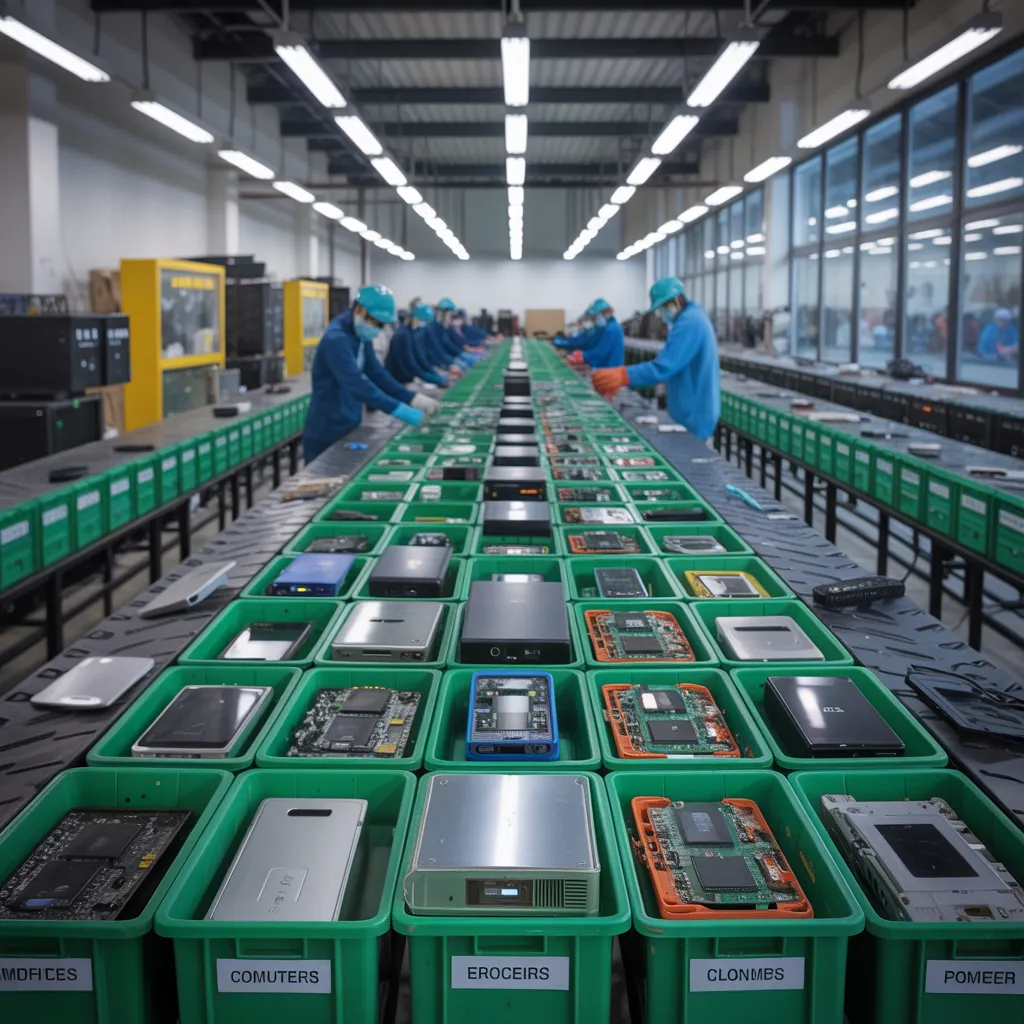
E-waste recycling entails a structured approach intended to extract beneficial components while limiting ecological damage. Initially, discarded electronics are retrieved and sent to dedicated processing centers. Once there, the electronics are carefully categorized to separate hazardous components from recyclable materials.
Following this, specialists take apart the products, recovering glass, metals, and plastics. This phase is essential, as View article it facilitates the recovery of valuable metals like silver, gold, and copper, which can be recycled in modern electronics.
Afterward, the separated materials are treated with cutting-edge techniques, such as shredding and chemical treatments, to cleanse them for further use.
In the final step, the residual dangerous materials are managed properly, complying with eco-friendly standards. This comprehensive process not only preserves valuable resources but also reduces the dangers linked to improper e-waste disposal, guaranteeing a greener future for electronic consumption.
How E-Waste Recycling Benefits You and Your Community
Though many people are unaware, the positive effects of e-waste recycling go far beyond individual benefit and actively shape entire communities. By properly recycling electronic waste, individuals contribute to a safer environment, minimizing harmful substances that can contaminate soil and water. This proactive approach helps preserve local ecosystems and advances public health.
Moreover, electronic waste recycling supports workforce growth within communities. Community recycling operations commonly require workers for diverse activities, from collection to processing, therefore offering work opportunities within the community. This not only enhances the community economy but also inspires community dedication to sustainable efforts.
Moreover, awareness of e-waste recycling has the potential to generate learning opportunities, empowering residents to embrace sustainable practices. By participating in e-waste recycling programs, individuals nurture a culture of sustainability, encouraging others to embrace similar practices. Overall, the cumulative impact of these actions can lead to a more strong and environmentally aware community.
Tips for Choosing an E-Waste Recycling Service
Choosing the right e-waste recycling service is essential for ensuring that electronic refuse is managed with responsibility and sustainability. First, individuals should confirm the service's accreditations, such as R2 or e-Stewards, which demonstrate conformance to established benchmarks for safe recycling practices. Additionally, it is advisable to examine the provider's standing by checking reviews and seeking advice from dependable sources.
Next, openness in the recycling process is crucial. A trustworthy company should provide clear information about the way e-waste is handled and what happens to the materials. Moreover, considering the scope of services provided can prove valuable; some companies may provide pickup services or offer incentives for recycling.
Finally, understanding area-specific requirements for e-waste disposal can additionally influence the selection process. By taking these elements into account, individuals can contribute to efficient electronic waste handling as well as promoting sustainable environmental efforts.
How You Can Take Part in E-Waste Recycling?
Engaging in e-waste recycling often starts at the local level, where local recycling facilities regularly supply essential services for responsible disposal. Moreover, participating in community awareness campaigns can amplify efforts to raise awareness about the importance of ethical e-waste practices. These actions not only advance environmental sustainability but also cultivate a collective sense of accountability for the environment.
Community Recycling Locations
Many regional recycling hubs play an essential role in e-waste recycling, providing communities with accessible options to discard electronic waste in an eco-friendly way. These centers accept a variety of electronic items, including used computers, handheld devices, and televisions, guaranteeing that dangerous substances are processed safely. Most centers are equipped with trained staff who support individuals in understanding proper disposal practices, emphasizing the importance of recycling over landfilling. Furthermore, various hubs coordinate scheduled drop-off occasions or specific collection dates, enabling residents to engage without difficulty. By engaging with these local facilities, people help build a circular economy, reducing environmental impact and promoting sustainable practices. Connecting with these stations allows communities to address e-waste pollution proactively.
Community Awareness Campaigns
Community groups, educational institutions, and companies can collaborate to host events that promote e-waste collection drives. Community members can serve a critical function in spreading awareness, distributing educational materials, and engaging with the community. By means of these joint initiatives, local inhabitants gain greater awareness and encouragement to properly recycle their e-waste, thus playing a meaningful role in creating a more environmentally responsible future.
Questions We Often Receive
Which Types of Electronics Are Recyclable?
A wide range of electronics are able to be recycled, including smartphones, computers, laptops, televisions, printers, and gaming consoles. Furthermore, peripherals such as mice, keyboards, and batteries are equally appropriate for recycling, contributing to environmental conservation efforts.
Is There a Cost Associated With E-Waste Recycling?
Indeed, e-waste recycling sometimes comes with fees, depending on the service provider. Certain providers apply costs for pickup or handling, while some providers offer free services, frequently supported by the resale of recovered materials.
What Are the Benefits of E-Waste Recycling for Businesses?
Businesses can benefit from e-waste recycling by reducing disposal costs, strengthening their ecological standing, adhering to regulatory requirements, recovering valuable materials, and creating potential earnings via resale, thus supporting a greener and more sustainable operational framework.
What Becomes of Data on Recycled Devices?
Information on recycled devices is commonly irretrievably wiped or eliminated during processing. This ensures sensitive information is kept safe, stopping improper access while allowing materials to be reused safely and responsibly in new products.
Can I Recycle Broken Electronics?
Yes, non-functioning electronics can be recycled. Numerous recycling centers receive broken devices, guaranteeing responsible disposal and extraction of precious materials. Doing so helps minimize the environmental footprint while promoting sustainable recycling habits to control electrical waste properly.